Natural cosmetics are growing in popularity, so the words “natural”, “green” or “clean” appear on more and more packaging. The problem is that EU law does not define the word “natural” for cosmetics – almost anyone can use it. Here are five ways to tell truly natural cosmetics from those that only look natural.
In short
- The word “natural” is not legally defined for cosmetics in the EU.
- The most reliable sign is an independent certification, such as COSMOS.
- Read the INCI ingredient list and look for a specific percentage of natural-origin ingredients.
1. Look for an independent certification
The most reliable sign is a certification from an independent organisation, such as COSMOS ORGANIC or COSMOS NATURAL (certified by ECOCERT and other bodies). The certifier checks not only the formula, but also the origin of the ingredients, production and packaging. We wrote more about the differences in the article “COSMOS ORGANIC vs COSMOS NATURAL: what is the difference?”.
Please note a certification logo must include the name of the certifier. A pretty green leaf with no text is just a design element.
2. Read the ingredient list (INCI)
Every cosmetic product sold in the EU must have an ingredient list, called INCI, on its packaging. Ingredients are listed in descending order – the first ones make up the largest part of the product. Plant ingredients are usually named in Latin, for example Simmondsia Chinensis Seed Oil – that is jojoba oil.
In certified cosmetics you will often see asterisks or numbers next to some ingredients, with an explanation such as “ingredients from organic farming”.
3. Check the percentage of natural-origin ingredients
Certified products often state what percentage of ingredients is of natural origin and how much is organic. For example, “99% ingredients of natural origin, 20% organic”. This is a specific, verifiable number rather than a general promise.
4. Don’t be swayed by “free from” labels
Labels such as “paraben-free” or “silicone-free” do not in themselves mean a product is natural – the substitutes may be just as synthetic. What matters is not what a product doesn’t contain, but what it does.
5. Check where it is made and that it is not tested on animals
Animal testing of cosmetics is banned in the EU, and every cosmetic product on the EU market must have a safety assessment. That is why cosmetics made in Europe meet strict safety requirements.
How we do it
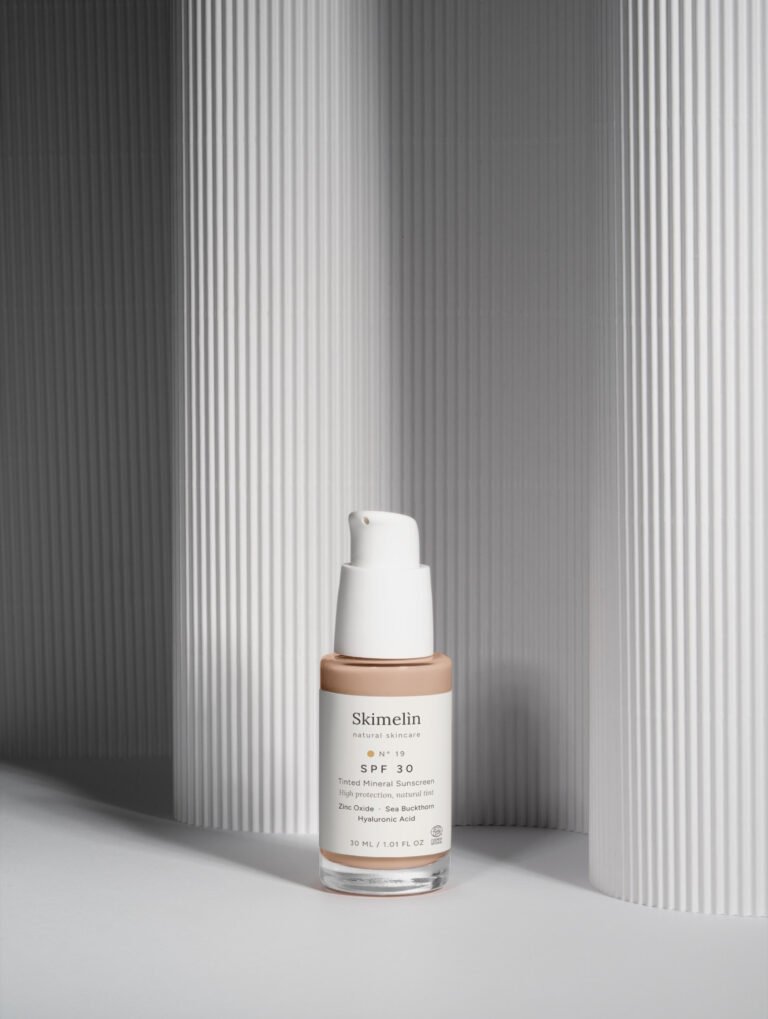
All Skimelìn products are made in Europe and are not tested on animals. Most of them are certified by ECOCERT to the COSMOS standard, and on each product page you will find the full INCI list, the percentage of natural-origin and organic ingredients, and the certification. You can find the whole collection in our shop.
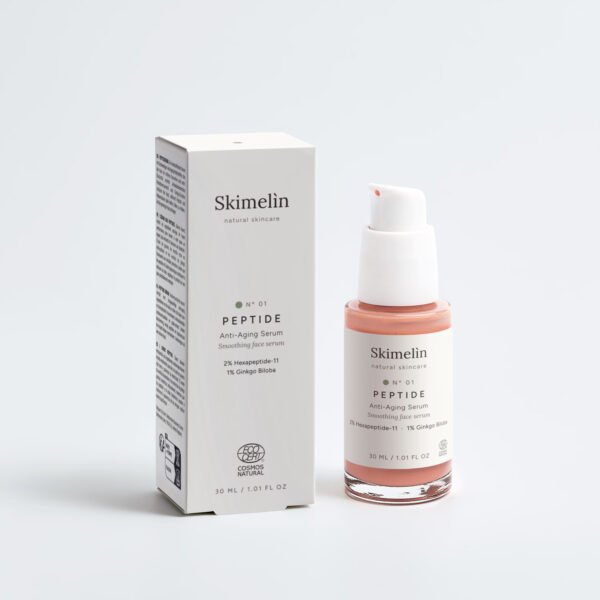 Nº 01 Peptide – Peptide Face Serum32,90 €View product →
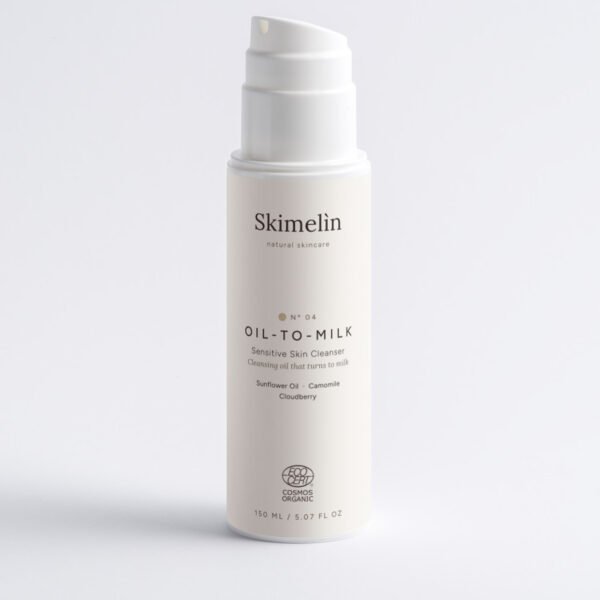 Nº 04 Oil-to-Milk – Cleansing Oil for Sensitive Skin27,90 €View product →
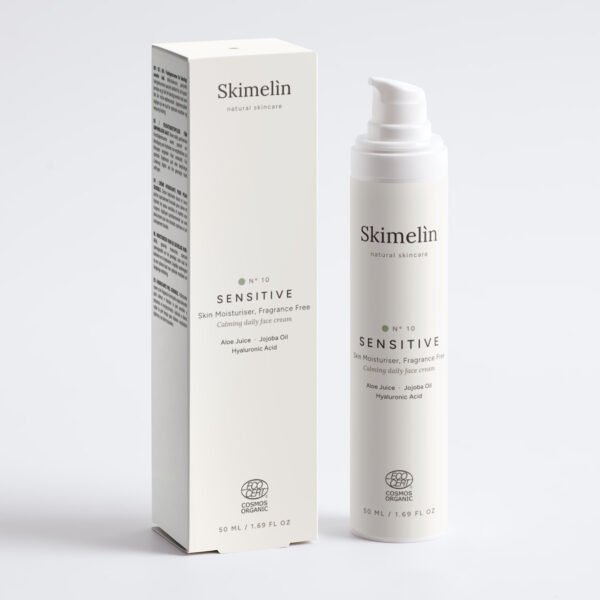 Nº 10 Sensitive – Day Cream for Sensitive Skin32,90 €View product →